
An Aiken County sheriff’s deputy was shot following a traffic stop early Thursday morning, October 22, prompting a manhunt for the suspect. The shooting comes just 17 days after another Aiken County deputy was shot and run over during an encounter with an armed suspect.
Two deputies shot in the same county in less than three weeks. Their experiences are part of a troubling series of violent encounters involving law enforcement officers across South Carolina in 2026.
For the men and women who serve, the possibility of violence is a constant part of the profession. Traffic stops, domestic disturbances, suspicious-person calls, and other routine assignments can become life-threatening with little warning.
The latest Aiken County shooting is still under investigation. But the circumstances surrounding other attacks this year provide a clear picture of the dangers officers are confronting.
Two Aiken County Deputies Shot in 17 Days
On October 5, Aiken County Sheriff’s Deputy Ethan Crosby was responding to an incident involving a suspect connected to a hit-and-run and a disturbance at a convenience store.
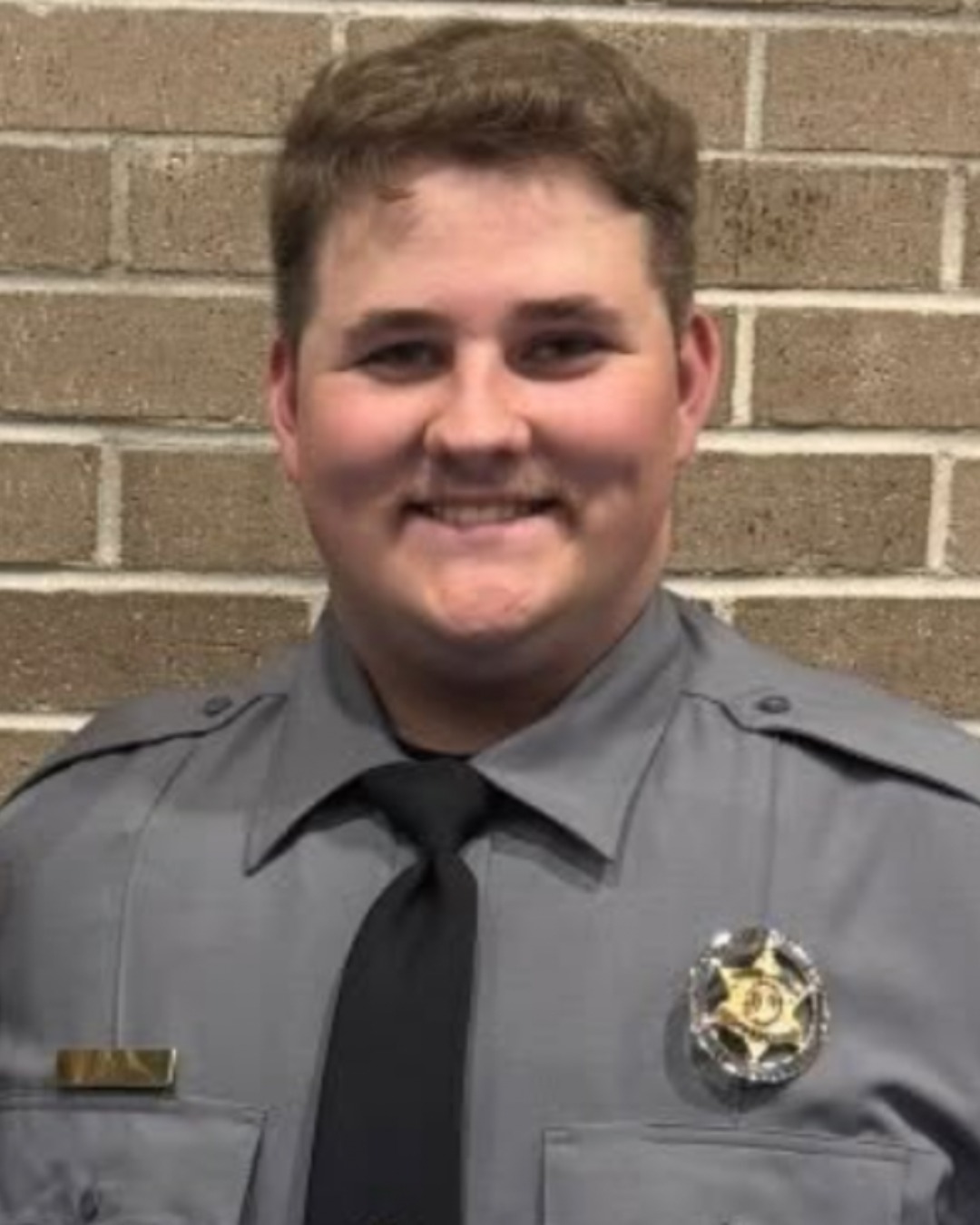
According to the South Carolina Law Enforcement Division, the suspect struck a deputy’s patrol vehicle and fled. Following a short pursuit, the woman opened her driver’s door and shot Crosby before running over him with her truck.
Other deputies returned fire, fatally wounding the suspect.
Crosby underwent two surgeries before being released from the hospital on October 9 to begin rehabilitation.
The October 22 shooting has placed the Aiken County Sheriff’s Office in the difficult position of responding to another attack against one of its own while Crosby continues recovering from his injuries.
These incidents are especially concerning because the risks extend beyond the immediate encounter. A deputy’s injuries can mean months of rehabilitation, uncertainty about returning to duty, and significant changes to family life.
Violence Against Officers Across South Carolina
The attacks in Aiken County are far from isolated.
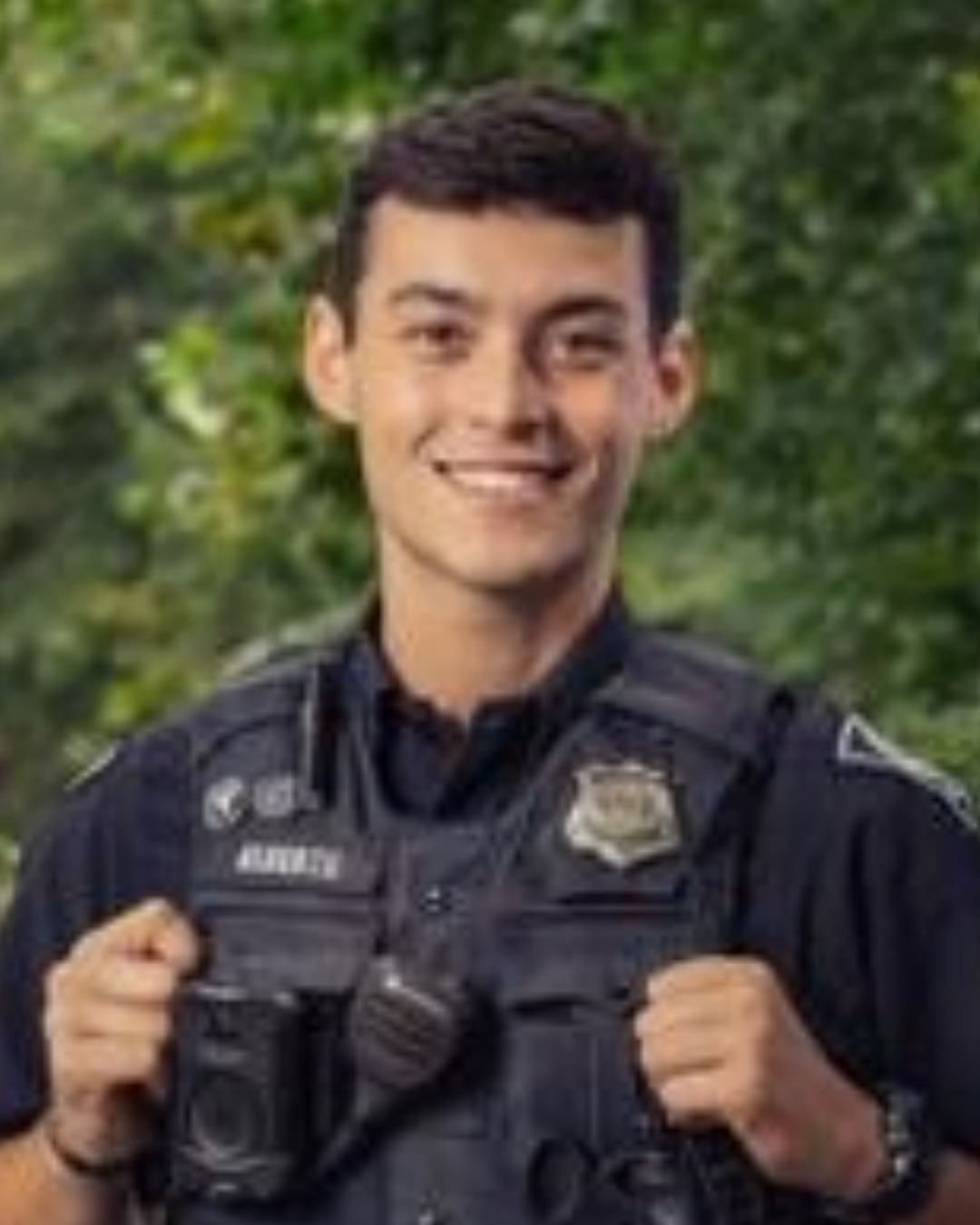
On January 11, a Greenville police officer was sitting in a parked patrol vehicle outside the Greenville County Law Enforcement Center when a man drove alongside and opened fire. The officer was wounded in what authorities described as an ambush. The suspect later died following exchanges of gunfire with deputies.
The Greenville incident demonstrated that even an officer seated inside a law enforcement facility’s parking lot can become the target of sudden violence.
A month later, on February 11, Charleston County deputies were searching for an armed suspect on Johns Island following reports of gunfire. During the encounter, the suspect shot a deputy in the chest. The deputy’s ballistic vest stopped the bullet, preventing a potentially fatal injury.
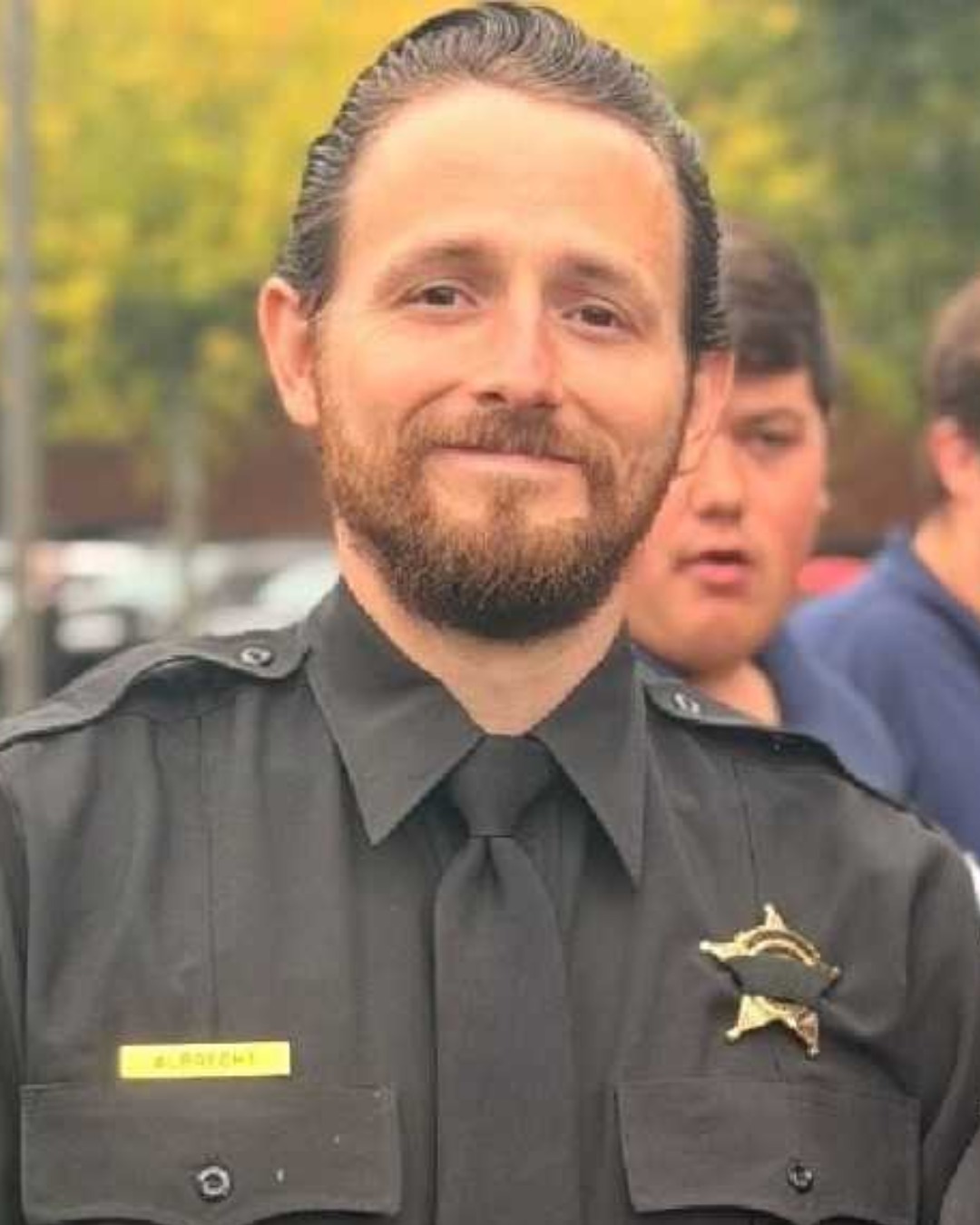
In Anderson County on April 20, a traffic stop along Interstate 85 ended with Deputy Alex Albrecht suffering a gunshot wound to the chest. According to SLED’s investigation, the suspect retrieved a firearm from his vehicle during an altercation and shot the deputy. Albrecht underwent surgery and was subsequently released from the hospital.
These were different encounters, involving different agencies and circumstances. Yet each illustrates how rapidly an officer’s situation can change.
The most devastating example came on August 29.

Columbia Police Officer Christopher DeLong and Master Police Officer David Dymock were responding to a domestic violence call at Southeast Park when they encountered an armed man. According to SLED, the suspect fired at the officers, and both were struck during the exchange of gunfire.
DeLong, 29, died from his injuries. Dymock was wounded.
DeLong left behind a wife and two children. His death was an immeasurable loss to his family, the Columbia Police Department, and the community he served.
Less than a week later, on September 4, a Greenville County deputy encountered an armed man while completing an unrelated traffic stop. The man pointed a firearm at the deputy, and gunfire was exchanged. A second deputy responded, and another exchange followed. One deputy was shot in the shoulder.
In October, deputies in Berkeley County responded to a disturbance involving a reported shooting. As they approached the residence, an armed man emerged and pointed a gun at them. Deputies fired, fatally wounding the man. No deputies were injured.
The Berkeley County encounter illustrates another important reality: an officer can face an immediate threat of deadly violence even when no officer is physically injured.
The Danger Extends Beyond Gunfire
While shootings receive the greatest attention, violence against law enforcement takes many forms.
Officers are assaulted during arrests, injured during struggles with suspects, threatened with weapons, and attacked while performing responsibilities that require close contact with people in unpredictable circumstances.
A physical assault may not generate the same headlines as a shooting, but the consequences can still be serious. Injuries can interrupt careers, require extensive treatment, and affect an officer’s ability to return to work.
Likewise, an officer who survives an exchange of gunfire without injury has still experienced a potentially deadly confrontation.
The absence of a gunshot wound does not diminish the danger of having a firearm pointed at an officer or shots fired in their direction.
These encounters also affect fellow officers. Those who respond to assist a wounded colleague, provide emergency medical care, or witness an attack may carry the experience long after the investigation concludes.
What the Statewide Numbers Reveal
The South Carolina Law Enforcement Division reported that the October 18 shooting involving Chester County deputies was the state’s 35th officer-involved shooting of 2026. SLED recorded 45 officer-involved shootings during all of 2025.
The distinction between an officer-involved shooting and an attack against an officer is important.
SLED’s figures include incidents in which law enforcement officers discharge their firearms. They do not represent the number of officers who have been shot, nor do they account for every assault or armed threat against an officer.
Nevertheless, the incidents documented throughout the year reveal the frequency with which South Carolina officers encounter circumstances involving firearms, dangerous suspects, and potentially deadly confrontations.
Behind those statistics are individual officers, their families, and departments that must cope with the consequences.
Some officers recover and return to duty. Others face prolonged rehabilitation or lasting injuries. For families such as Officer DeLong’s, the loss is permanent.
Supporting Those Who Serve
The South Carolina Fraternal Order of Police remains committed to improving the lives and working conditions of those who serve in law enforcement.
Officer safety is central to that commitment. Effective training, appropriate equipment, reliable protective gear, and access to physical and mental health resources are essential to preparing officers for the demands of the profession and supporting them after critical incidents.
The issue has also received attention in Congress through the Protect and Serve Act of 2026, bipartisan legislation intended to address deliberate violence targeting law enforcement officers. The National Fraternal Order of Police has made the legislation one of its federal priorities.
But officer safety extends beyond legislation.
It requires understanding that law enforcement officers routinely enter situations where the level of danger cannot be fully known in advance. They are expected to make difficult decisions, protect others, and maintain their professionalism under circumstances that can change in seconds.
Those responsibilities deserve meaningful support from the communities they serve.
Behind Every Incident Is a Family
The October 22 shooting in Aiken County brings renewed attention to the dangers confronting South Carolina law enforcement officers. It also brings another family and another department into a period of uncertainty.
Deputy Ethan Crosby continues his recovery from the October 5 attack. Other wounded officers across the state are recovering from injuries sustained in the line of duty. The family of Officer Christopher DeLong faces a future without a husband and father.
Their experiences should not be reduced to statistics or forgotten when the headlines move elsewhere.
We ask South Carolinians to understand the risks officers accept when they report for duty and to support the men and women who continue answering calls for help despite those dangers.
Every officer is someone’s spouse, parent, child, sibling, or friend. Every shift begins with the expectation of returning home.
Protecting those who serve our communities must remain a priority long after the immediate attention surrounding another shooting has passed.