
Each June, National PTSD Awareness Month brings attention to a condition that affects millions of Americans, including many who serve in law enforcement. While the profession is often associated with physical danger, some of the most significant injuries officers experience are not visible. The cumulative effects of trauma, stress, and repeated exposure to critical incidents can have lasting impacts that extend well beyond a single shift or assignment.
Law enforcement officers routinely encounter situations most people will never experience firsthand. Fatal traffic collisions, violent crimes, child abuse investigations, suicides, domestic violence incidents, and the loss of fellow officers are part of the reality of the profession. While officers are trained to respond professionally and effectively in these situations, repeated exposure to traumatic events can take a toll over time.
National PTSD Awareness Month provides an opportunity to recognize those challenges, encourage conversations about mental health, and remind officers and their families that support is available.
Understanding PTSD in Law Enforcement
Post-Traumatic Stress Disorder, commonly known as PTSD, is a mental health condition that can develop after experiencing or witnessing traumatic events. Although PTSD is often associated with military service or a single catastrophic incident, the law enforcement experience can be different.
For many officers, trauma is not limited to one event. It can be the result of years spent responding to critical incidents, investigating tragedies, and witnessing human suffering on a regular basis. The cumulative effect of these experiences can impact emotional well-being, relationships, physical health, and overall quality of life.
Not every officer exposed to trauma will develop PTSD. However, understanding the potential effects of repeated exposure to stress and trauma is an important part of maintaining long-term wellness and readiness throughout a law enforcement career.
The Signs Are Not Always Obvious
PTSD does not always present itself in ways that are immediately recognizable. In some cases, symptoms may emerge shortly after a traumatic event. In others, they may not appear until months or even years later.
Common challenges can include:
- Difficulty sleeping
- Increased irritability or anger
- Anxiety or persistent stress
- Hypervigilance
- Emotional withdrawal
- Difficulty concentrating
- Avoidance of certain situations or reminders of traumatic events
- Changes in mood or behavior
Family members, coworkers, and close friends are often among the first to notice these changes. An officer who was once highly engaged may become distant. Someone who enjoyed spending time with family may begin to withdraw. Sleep disturbances, increased stress, or changes in behavior can gradually affect both professional and personal relationships.
Recognizing these signs early can help officers connect with resources before challenges become more serious.
The Impact Beyond the Badge
The effects of trauma rarely remain confined to the workplace.
Law enforcement careers often place significant demands on officers and their families. Shift work, long hours, court appearances, and the emotional weight of the job can already create challenges. When PTSD or other stress-related conditions are added to the equation, the impact can extend into every aspect of life.
Spouses and children may notice changes in communication, mood, or emotional availability. Friendships can become strained. Officers may find themselves feeling disconnected from activities they once enjoyed.
The effects can also continue after retirement. While leaving the profession may reduce exposure to new traumatic incidents, it does not automatically eliminate the impact of experiences accumulated over a career. In some cases, symptoms may become more noticeable after retirement when the structure and demands of the job are no longer present.
Understanding that PTSD can affect officers at every stage of their careers, including retirement, is an important part of building a culture that supports long-term wellness.
Officer Wellness Cannot Be Ignored
Awareness of PTSD is closely connected to a broader conversation about officer wellness.
In a recent SCFOP article, Why Officer Wellness Can’t Be Ignored, we discussed the importance of prioritizing the physical, mental, and emotional health of law enforcement professionals. Wellness is not separate from officer safety. It is a critical component of an officer’s ability to serve effectively, maintain healthy relationships, and sustain a long and successful career.
Mental health challenges do not reflect a lack of strength or commitment. They reflect the realities of a profession that routinely confronts difficult and traumatic circumstances.
Supporting officer wellness means recognizing those realities and ensuring that officers have access to the resources and support they need.
Resources Available to South Carolina Officers
Fortunately, officers do not have to face these challenges alone.
In South Carolina, resources are available to help officers and their families navigate the effects of trauma, stress, and other mental health concerns.
One important resource is the South Carolina Law Enforcement Assistance Program (SCLEAP), which provides confidential support services for South Carolina law enforcement officers. Programs like SCLEAP play an important role in helping officers access assistance while maintaining privacy and professionalism.
The South Carolina Fraternal Order of Police also maintains resources related to PTSD support and funding opportunities for law enforcement officers. These efforts are designed to help officers access care and services that can support recovery and long-term wellness.
At the national level, the National Fraternal Order of Police’s Officer Wellness Division continues to promote officer wellness initiatives, educational resources, peer support programs, and mental health awareness efforts throughout the profession.
Together, these resources reflect a growing recognition that officer wellness deserves attention, investment, and ongoing support.
Reaching Out Before a Crisis
One of the most significant barriers to seeking help is often the belief that officers should simply handle challenges on their own.
Law enforcement culture has long valued resilience, self-reliance, and perseverance. Those qualities remain important. However, recognizing when support is needed is also a sign of professionalism and strength.
Seeking assistance early can help prevent problems from escalating and may improve long-term outcomes for officers and their families.

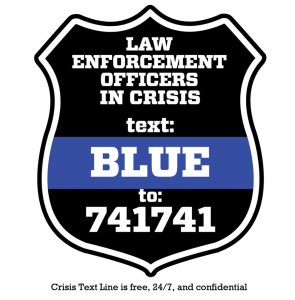
For officers who need support, resources are available 24 hours a day.
CopLine, a confidential hotline staffed by retired law enforcement officers, can be reached at 1-800-COPLINE (1-800-267-5463).
The 988 Suicide & Crisis Lifeline provides immediate access to trained crisis counselors by calling or texting 988.
The Crisis Text Line is also available by texting HOME to 741741.
Whether an officer is dealing with a recent critical incident, cumulative stress, concerns about a colleague, or personal struggles that have developed over time, reaching out for support can be an important first step.
A Time for Awareness and Support
National PTSD Awareness Month serves as a reminder that the invisible injuries of law enforcement deserve the same attention as the visible ones.
Every day, officers answer calls that place them in situations most people never encounter. Those experiences can leave lasting effects, and acknowledging that reality is not a sign of weakness. It is a recognition of the demands of the profession.
By increasing awareness, supporting one another, and making use of available resources, law enforcement agencies, organizations, officers, and families can continue building a culture that prioritizes wellness alongside service.
PTSD can affect officers at any stage of their careers. Recognizing the signs, encouraging conversations, and connecting officers with support when needed are important steps toward protecting the health and well-being of those who dedicate their lives to protecting others.