The South Carolina Fraternal Order of Police distributed a candidate questionnaire to ballot-certified gubernatorial candidates meeting the organization’s established viability threshold for the 2026 election cycle. The questionnaire focused on issues affecting law enforcement officers, public safety policy, retirement protections, administrative due process, and related legislative matters.
Responses are published verbatim and unedited except for formatting consistency and removal of document artifacts. Candidates are listed alphabetically. Publication of responses does not constitute an endorsement by the South Carolina Fraternal Order of Police.
South Carolina’s statewide primary election will be held June 9, 2026. The general election will be held November 3, 2026. SCFOP encourages all members and the public to participate in the election process.
Candidates
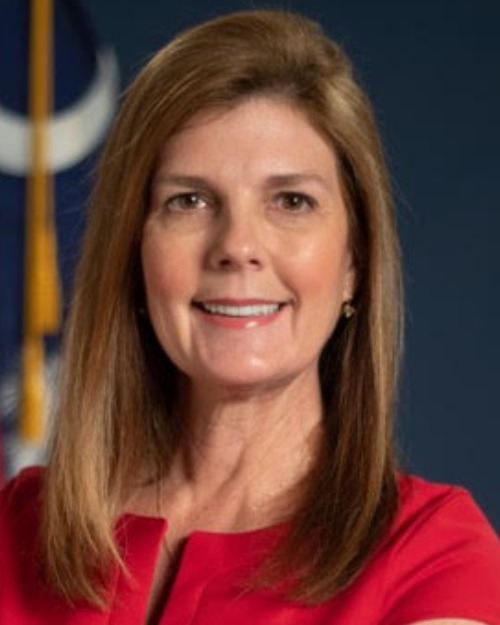
Pamela Evette (Republican)
Campaign Website: pamelaevette.com
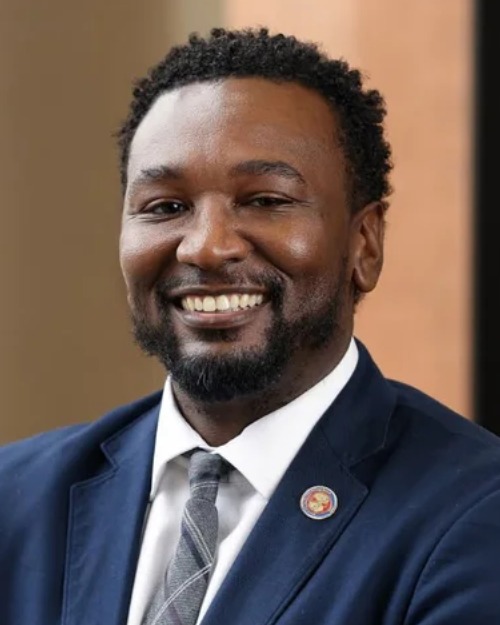
Jermaine Johnson (Democratic)
Campaign Website: johnsonforsc.com
No response received by the deadline.
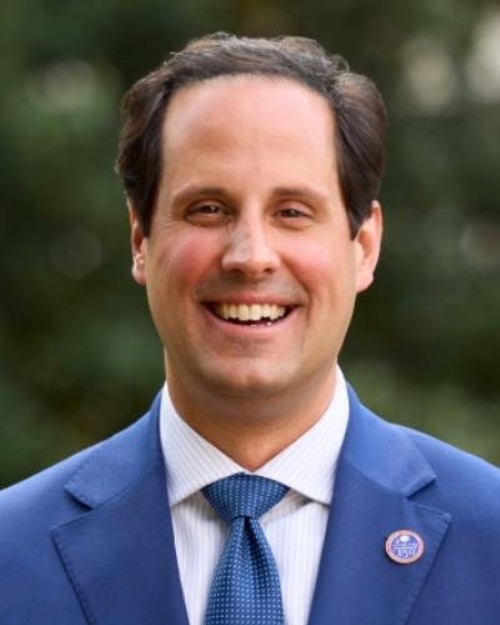
Joshua Kimbrell (Republican)
Campaign Website: votejoshkimbrell.com
No response received by the deadline.

Nancy Mace (Republican)
Campaign Website: nancymace.org

Mullins McLeod (Democratic)
Campaign Website: mcleodscgov.com
No response received by the deadline.
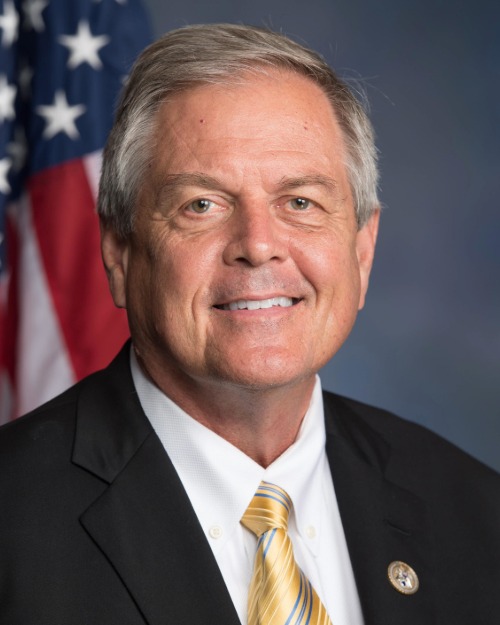
Ralph W Norman (Republican)
Campaign Website: ralphnormanforgovernor.com
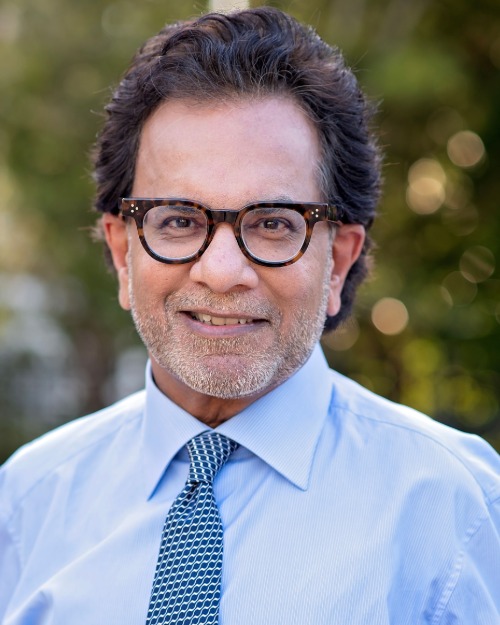
Rom Reddy (Republican)
Campaign Website: reddyforgovernor.com
See statement concerning responses
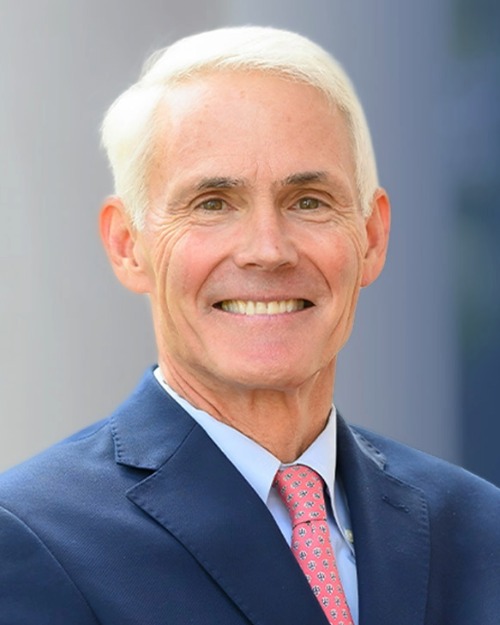
Billy Webster (Democratic)
Campaign Website: websterforsc.com
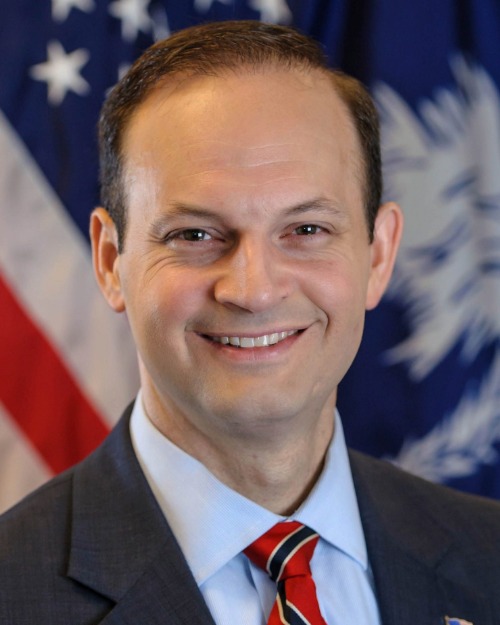
Alan Wilson (Republican)
Campaign Website: wilsonforsc.com
HALO Protections
Law enforcement officers frequently face interference while performing official duties. SCFOP supports legislation establishing HALO protections that create a defined safety perimeter around officers actively engaged in their duties in order to reduce interference and improve officer and public safety.
Please describe your position on HALO protections. If elected, what actions would you take to support or advance legislation establishing a safety perimeter around officers performing official duties? Would you support and sign such legislation if presented to you?
Pamela Evette
I am fully committed to protecting our law enforcement officers and first responders by supporting measures like the HALO Act. This common-sense policy reduces dangerous interference, giving officers the space they need to maintain situational awareness and do their jobs safely.
In August 2025, I stood with state and local law enforcement at a press conference in Edgefield County to publicly reaffirm my support for the HALO Act and urge the State Legislature to pass the bill in this session. I would absolutely support and sign such legislation as Governor.
As Governor, I will continue these efforts by strengthening protections for public safety personnel and providing them with the training, equipment, and resources they need. Our officers risk their lives every day to keep our families safe, which is why we must do everything we can to ensure they make it home safely to their own families.
Nancy Mace
The men and women who wear the badge in South Carolina report for duty knowing the risks of every shift. The least the state can offer in return is the assurance that when they are doing their job, they will not be obstructed, harassed, or interfered with by individuals seeking to disrupt the lawful execution of their duties.
I support the establishment of HALO protections in South Carolina. As Governor, I will work with the General Assembly, the SCFOP, the Sheriffs’ Association, and chiefs of police to advance legislation modeled on the strongest HALO statutes already enacted in other states, and I will use the office of the Governor to move it to my desk.
An officer attending to a wounded victim, securing a crime scene, or making a lawful arrest should be able to do so without crowds closing in, without cameras inches from their face, and without the kind of staged interference designed to provoke a confrontation. HALO is about giving the men and women in uniform the working space every other professional in this country takes for granted.
South Carolina already has legislation moving toward this goal. H.4763, which creates a 25-foot safety buffer around law enforcement officers performing their duties, has passed the House and is now on the Senate Calendar. As Governor, I will sign this into law.
Ralph Norman
I absolutely support and would advocate for HALO protections for officers in the line of duty. I believe this year the House passed a good bill that would increase protections. I would absolutely sign that legislation, if elected into law. I understand the Senate has sent back an amended version to the House with changes to the distance requirements. If law enforcement voiced approval of the bill, I’d sign it into law. I’d also hold a press conference with law enforcement urging quick passage of the bill by the House.
Billy Webster
Public safety depends on first responders being able to do their jobs safely, not only for their sake but also for the sake of the people they serve. Law enforcement officers, firefighters, EMTs, and hospital workers increasingly face dangerous interference in the line of duty, and that is unacceptable. I support legislation establishing clear, enforceable protections for first responders performing their lawful duties. Any such legislation should be carefully crafted to withstand constitutional scrutiny — courts have struck down similar laws in other states when the language was too vague or too broad — and should protect the public’s right to observe and record law enforcement activity. Done right, this kind of legislation strengthens public trust and improves the safety of those working tirelessly to protect and serve our communities. I would sign well-crafted legislation that meets that standard.
Alan Wilson
I 100% support HALO protections, and I urged the legislature to pass the most recent law.
Every South Carolinian has the right to free speech and peaceful assembly, but no one has the right to interfere with law enforcement officers who are performing their duties. When officers are responding to a call, conducting a stop, or managing a dangerous situation, the priority must be safety and maintaining the integrity of the scene.
A clearly defined safety perimeter is a common-sense measure that protects officers, protects bystanders, and allows law enforcement to do their job effectively.
Protection of Law Enforcement K-9s
Law enforcement K-9s are critical public safety assets and serve alongside officers in high-risk situations. SCFOP supports legislation increasing felony penalties for individuals who intentionally harm or kill a law enforcement K-9.
What is your position on increasing felony penalties for crimes committed against law enforcement K-9s? If elected, how would you support or advance this legislation, and would you support and sign such measures if passed?
Pamela Evette
I strongly support increasing penalties for crimes against law enforcement K-9s and horses. These animals are essential members of our public safety teams and face the same dangers as the officers they serve alongside. I have personally attended the funerals of our K-9 heroes who’ve died in the line of duty and know how much these animals mean to their handlers and all those officers and individuals who have worked with them and whose lives have been impacted by their service.
As Governor, I will support legislation making harassment or harm of a K-9 a serious offense, with felony penalties for those who injure or kill these animals.
South Carolina must honor the service and sacrifice of our K-9 units by giving them the strongest protections possible. Standing unapologetically with law enforcement includes standing with every member of the team.
Nancy Mace
A law enforcement K-9 is a sworn partner in the truest sense – trained at significant public expense, bonded to a handler, and routinely sent into the most dangerous situations in this state to protect human life. An attack on a K-9 is an attack on the officer who serves alongside that animal, and the law of South Carolina should treat it that way.
I support increasing felony penalties for individuals who intentionally harm or kill a law enforcement K-9. As Governor, I will work with the General Assembly to advance legislation establishing mandatory minimum sentences for the willful injury or killing of a K-9 in the line of duty, and full restitution to the agency and the handler for the cost of training, treatment, and replacement.
This commitment is consistent with my broader record. In Congress, I introduced the Federal Enhancement for Tactical Canine Help Act, the FETCH Act, to ensure federal grant funding covers the full cost of K-9 service from acquisition through retirement. I have also co-sponsored the bipartisan FIGHT Act to crack down on illegal animal cruelty operations, legislation endorsed by more than a thousand law enforcement agencies including the South Carolina Sheriffs’ Association.
At the state level, H.3034 “Fargo’s, Hyco’s, Rico’s, Coba’s, Wick’s, and Mikka’s Law” would expand the conduct that constitutes a criminal offense against a police animal, increase felony penalties to up to 15 years, and require full restitution to the law enforcement agency for the cost of replacing and retraining the animal. I urge the full House to pass it without delay. I will sign it.
Ralph Norman
K-9’s serving in law enforcement are an extension of the officers, putting their lives on the line to protect our community. As Governor, I would advocate for and sign any legislation that would enhance penalties on criminals who hurt K-9’s. I know there is legislation on this issue this session increasing the penalty and fines associated with the felony charge. I would support that legislation.
Billy Webster
Law enforcement K-9s are working members of our public safety teams, trained for some of the most demanding and dangerous assignments they face alongside their handlers. South Carolina has lost K-9s in the line of duty, and our laws should reflect the seriousness of that loss. I support strengthening penalties for intentionally harming or killing a law enforcement K-9, and I would sign such legislation.
Alan Wilson
Law enforcement K-9s are not just animals: they are trained partners who serve alongside officers in some of the most dangerous situations.
If someone intentionally harms or kills a law enforcement K-9, that is an attack on law enforcement itself. It should be treated seriously, and the penalties should reflect that. Period.
I support increasing felony penalties for these crimes. As Governor, I will work with lawmakers to advance that legislation and I will sign it. Protecting those who protect us includes protecting every member of the team.
Protection of Law Enforcement Pensions
Law enforcement officers rely on the stability and integrity of the South Carolina Retirement System as part of their earned compensation. SCFOP supports policies that protect pension benefits from erosion and ensure long-term sustainability for active and retired officers.
Please outline your position on protecting law enforcement pension benefits. What specific legislative or executive actions would you take to preserve the integrity of the retirement system as it applies to law enforcement officers?
Pamela Evette
I am fully committed to protecting law enforcement pensions and ensuring the long-term stability of the Police Officers Retirement System (PORS). These benefits are earned through years of service and sacrifice, and we must keep our promises to those who serve.
As Lieutenant Governor, I have worked with Governor McMaster to strengthen law enforcement support through pay raises, recruitment and retention incentives, and reforms like suspending earnings caps so retired officers can return to work without penalty. The Governor and I gave the some of the largest pay raises to law enforcement in state history. We also provided additional money for equipment that helps to keep these brave men and women safer on the job.
As Governor, I will prioritize actuarial soundness, protect earned benefits, and work with the General Assembly to make targeted, responsible improvements. Retirement security for our officers will always be a top priority.
Nancy Mace
A pension is a promise. When a young officer takes the oath at twenty-two and serves this state for twenty-five or thirty years, every retirement contribution withheld from every paycheck is the state of South Carolina’s solemn pledge to honor that service when the badge comes off. Breaking that pledge is not a budget decision. It is a betrayal.
As Governor, I will protect the South Carolina Retirement System as it applies to law enforcement officers. That means defending and funding the defined benefit structure that career officers earned and were promised when they signed up. It means refusing any reform proposal that would shift the cost of past underfunding onto the men and women who served. And it means demanding rigorous, transparent oversight of the South Carolina Public Employee Benefit Authority and the Retirement System Investment Commission so that every dollar paid into the system is invested prudently and managed honestly.
I will use the budget authority of the Governor’s office, including the line-item veto, to prevent any attempt to raid the retirement system, divert dedicated funds, or reduce the long-term solvency of the plan. South Carolina officers fulfilled their end of the bargain.
I also support S.64 and H.3416, which would create a state income tax deduction for first responder retirement income, and H.3410, which would provide property tax exemptions for former first responders. These are commonsense measures that honor the commitment South Carolina made to the men and women who served.
Ralph W Norman
I believe we need to pay our law enforcement more, and we need to prioritize them more in our state budget which is currently filled to the brim with tons of waste. In addition to supporting measures to reform our pension system while still ensuring law enforcement enjoy the full scope of their benefits in retirement, I would advocate for eliminating the income tax for retired law enforcement who served for ten years or more and certainly for any officer who was seriously injured in the line of duty.
Billy Webster
Every South Carolinian who spends a career in public service deserves to retire with the security they earned. A pension is deferred compensation. It is part of the deal the state makes with the people who serve it, and the state has an obligation to honor that commitment. South Carolina’s retirement system faces real long-term sustainability pressures that require honest budgeting and sustained attention. I will work to protect pension benefits for current and retired employees while taking the fiscal steps necessary to keep the system strong for officers who are still decades from retirement.
Alan Wilson
Law enforcement officers earn their pensions through years of service and sacrifice. Those benefits are not optional. They are a promise, and that promise must be kept.
As Governor, I will protect the integrity of the retirement system and ensure it remains strong for both current officers and retirees. Under a Wilson administration, there will be a direct line of communication between law enforcement and state government, and every person involved in this system will be required to be responsible, responsive, and accountable when it comes to protecting South Carolina’s law enforcement pension system. That means transparency, accountability, and making sure the system is sustainable for the long term.
We cannot balance budgets on the backs of the men and women who have spent their careers protecting our communities. At the same time, we have to make sure the system is financially sound so it can deliver on those commitments for decades to come.
Cost of Living Adjustments (COLA) for Retirees
Retired law enforcement officers depend on predictable and meaningful Cost of Living Adjustments to maintain financial stability after decades of public service. SCFOP supports legislation providing sustainable COLA increases for retirees.
What is your position on providing Cost of Living Adjustments for retired law enforcement officers? If elected, what steps would you take to ensure retirees receive meaningful and sustainable adjustments?
Pamela Evette
I strongly support sustainable and meaningful COLAs for retired law enforcement officers. After a lifetime of service, they deserve predictable increases that keep pace with rising costs.
We have already taken steps to strengthen retirement security. As Governor, I will continue working with the General Assembly to ensure COLAs are responsibly funded while maintaining the long-term health of PORS.
Our retired officers kept our communities safe. Ensuring their financial stability in retirement is both a responsibility and a promise we must keep.
Nancy Mace
Retired officers in South Carolina are watching the cost of groceries, fuel, electricity, and prescription drugs climb faster than the COLA increases they are receiving. That is not a sustainable arrangement, and it is not consistent with the state’s obligations to those who served.
I support providing meaningful and sustainable Cost of Living Adjustments for retired law enforcement officers. As Governor, I will work with the General Assembly to advance a COLA structure that keeps pace with actual cost-of-living increases, is funded responsibly within the Retirement System’s actuarial framework, and does not rely on one-time appropriations vulnerable to future budget cycles.
I am also the only candidate in this race with a detailed plan to eliminate the state income tax – “Five Years to Zero.” For a retired officer living on a pension, that plan delivers an immediate, durable raise. Every dollar of pension income that South Carolina currently taxes goes back into the pocket of the officer who earned it. That is real cost-of-living relief, not a one-time bonus tied to a budget cycle.
H.4620 and H.4294, currently before the House Ways and Means Committee, would provide retirement allowance adjustments and exclude certain retirement benefits from gross income for first responders. I support both and will work with the General Assembly to advance them.
Ralph W Norman
I would support cost of living adjustments. As I said previously, I’d also like to eliminate the income tax for many retired law enforcement officers.
Billy Webster
Retired law enforcement officers have earned the right to a retirement that keeps pace with the actual cost of living. A pension that loses value every year due to inflation is not the secure retirement anyone planned for or was promised. I support meaningful, sustainable COLA increases for retired law enforcement officers and other public employees.
Alan Wilson
Retired law enforcement officers should not see their retirement lose value because of inflation. After decades of service, they deserve stability and dignity in retirement. If state employees are getting the adjustments, there’s no reason the retired law enforcement officers shouldn’t get them too.
I support meaningful and responsible cost of living adjustments that help retirees keep up with rising costs. But those adjustments must also be structured in a way that is sustainable over the long term.
Everything I am focused on comes back to affordability, that includes making sure our retirees are not left behind. As Governor, I will work to ensure COLA policies are both meaningful and fiscally responsible so they can be maintained year after year.
Return to Work Reform
South Carolina continues to face staffing challenges in law enforcement. SCFOP supports legislation allowing retired officers to return to service without unnecessary pension penalties or administrative barriers, while maintaining the integrity of the retirement system.
Please describe your position on return-to-work reform for retired law enforcement officers. If elected, what actions would you take to support legislation allowing experienced officers to re-enter service under reasonable and sustainable guidelines?
Pamela Evette
I strongly support return-to-work reforms that allow retired officers to re-enter service without unnecessary barriers. This is a practical solution to staffing shortages that keeps experienced professionals on the job.
We have already made progress by suspending earnings caps, allowing retirees to return without penalty. As Governor, I will push for additional reforms that expand these opportunities in a fiscally responsible way.
Our state benefits when experienced officers can continue serving. Removing these barriers strengthens public safety while maintaining the integrity of our retirement system.
Nancy Mace
I support return-to-work reform for retired law enforcement officers. As Governor, I will work with the General Assembly to advance legislation that allows retired officers to re-enter service without unreasonable pension penalties, while preserving the actuarial integrity of the Retirement System. The framework should be straightforward: a retired officer who returns to a sworn position should be able to do so without losing the benefits they earned, subject to reasonable safeguards that prevent abuse and protect the long-term solvency of the plan.
This reform is also a public safety reform. Every experienced officer who returns to the job is a force multiplier: training younger officers, providing institutional memory, and filling shifts that would otherwise go uncovered. A state serious about backing the blue gives its experienced officers a path back to the work, not a closed door.
If return-to-work legislation reaches my desk, I will sign it.
The Senate has already taken a step in the right direction, adopting an amendment allowing retired PORS officers to return to work after a 90-day break in service while continuing to receive their retirement benefits, with earnings up to $80,000 annually. H.3437 and companion bills in both chambers would codify and expand this framework. I will work with the General Assembly to get a permanent solution to my desk.
Ralph W Norman
I absolutely support this reform. Many Sheriffs have told me they are struggling to recruit and retain officers. A simple way to help with this problem would be to allow seasoned law enforcement veterans to return back to work with no penalty. There should certainly be no earnings limitations for any officer who wants to return to the force. I would support legislation to remove the earnings limitation as well as the mandatory waiting period.
Billy Webster
South Carolina is not unique in facing real law enforcement staffing challenges but we can be innovative in how we meet these challenges. Experienced, retired officers who have served our state well are a valuable resource. I support removing reasonable barriers that allow them to return to service when our state needs them, and it must be done in a way that is fiscally responsible, protects the integrity of the retirement system, and respects local and county governments’ authority.
Alan Wilson
South Carolina is facing real staffing challenges in law enforcement, and we need practical solutions. One of the smartest things we can do is allow experienced, retired officers to return to service without unnecessary barriers. These are men and women who already know the job, understand the communities they serve, and can step in and make an immediate impact.
I support return-to-work reforms that make that possible under reasonable and sustainable guidelines while protecting the integrity of the retirement system. Right now, officers are required to wait 12 months before they can return to work. That does not meet the needs of our communities. This reform would shorten that waiting period to just 3 months, and we should codify that change into law and consider making it permanent. At the same time, the current $10,000 earnings cap before risking pension benefits is unrealistic. We should modernize it so retired officers can return to work and earn up to $80,000 without jeopardizing the benefits they earned, and codify those protections as well.
As Governor, I will work with the General Assembly and law enforcement leaders to advance and codify these reforms. This is about strengthening our workforce, supporting our officers, and keeping our communities safe.
Law Enforcement Officers’ Bill of Rights and Administrative Due Process
Law enforcement officers deserve clear statutory protections ensuring fairness during internal investigations and disciplinary proceedings. SCFOP supports establishing a Law Enforcement Officers’ Bill of Rights and strengthening administrative due process protections.
What is your position on establishing a Law Enforcement Officers’ Bill of Rights in South Carolina? How would you strengthen administrative due process protections for officers during internal investigations and disciplinary actions? Would you support and sign legislation addressing these protections?
Pamela Evette
I fully support establishing a Law Enforcement Officers’ Bill of Rights in South Carolina. Officers deserve clear, consistent protections that guarantee fairness and due process during internal investigations.
This includes timely notification of complaints, access to legal representation, reasonable timelines for investigations, the ability to review evidence, and strong safeguards against politically motivated or unsubstantiated claims.
As Governor, I will work with the General Assembly to put these protections on the books. This is about fairness, accountability, and ensuring those who protect us are treated with respect.
Nancy Mace
There is no class of public servant in this country who lives more squarely under the public eye and in danger than a sworn law enforcement officer. They make consequential decisions in fractions of a second, often with their own lives at stake, and they answer for those decisions in courtrooms, in news cycles, and in their own communities for years afterward.
I support the establishment of a Law Enforcement Officers’ Bill of Rights in South Carolina, and as Governor I will sign legislation strengthening administrative due process for officers during internal investigations and disciplinary proceedings.
The protections should be straightforward and grounded in principles that already govern every other licensed profession in this state. An officer should receive written notice of the allegations against them. An officer should have the right to legal representation during questioning. An officer should be entitled to reasonable timeframes for the conclusion of investigations, the opportunity to review evidence prior to any disciplinary hearing, and meaningful protection against complaints that are filed in retaliation or for political purposes.
These are not extraordinary protections. They are codified in statute across the country, and they are consistent with the framework that already governs every professional licensing board in South Carolina. An officer should know what they are accused of, who is accusing them, and what evidence is being used against them – long before their career, their pension, and their family’s livelihood are placed at stake.
A justice system that demands fairness from law enforcement must also be willing to extend it.
If legislation establishing a Law Enforcement Officers’ Bill of Rights reaches my desk, I will sign it.
Ralph W Norman
I am the only candidate in the race for Governor to advocate for a change in the way our judges are elected which is needed to “By The People” and not by trial lawyers.
Judges who continually allow a “revolving door” for career criminals to avoid prison will be called out and suffer consequences for their rulings.
Billy Webster
Every South Carolinian — including every law enforcement officer — deserves due process and equal protection under the law.
Officers are serving under a level of public scrutiny that has grown significantly in recent years. Those who serve with integrity deserve to know they will be treated fairly if allegations are made against them — with clear procedures, access to representation, and a fair and timely hearing. Every case is different and deserves to be treated as such. I am committed to ensuring that personal protections exist for our officers and maintaining the public trust and accountability that make law enforcement truly effective.
Alan Wilson
I believe in accountability, and I also believe in fairness. Those two things are not in conflict. They are both essential to a strong justice system.
Law enforcement officers deserve clear, consistent due process protections. If an officer is accused of wrongdoing, there must be a fair, transparent process that respects their rights, provides clear timelines, and ensures they are not subjected to arbitrary or politically driven decisions.
At the same time, bad actors must be held accountable to not only protect people, but protecting the badge too. Protecting due process is not about shielding misconduct. It is about making sure justice is applied fairly and consistently.
If legislation establishing a Law Enforcement Officers’ Bill of Rights strikes that balance, I would not only support and sign it, I’d be out championing for it. We owe our officers that level of clarity and fairness.
Ongoing Consultation with Law Enforcement Leadership
Effective public safety policy requires ongoing consultation with law enforcement professionals. SCFOP values constructive engagement between elected officials and the officers who serve communities across South Carolina.
If elected, how would you ensure regular consultation with the South Carolina Fraternal Order of Police regarding legislation and policy decisions affecting law enforcement and public safety?
Pamela Evette
As Governor, I will make regular consultation with law enforcement a core part of public safety policy.
I will establish regular meetings with law enforcement leaders to ensure their input is incorporated into the decision-making process from the start, not as an afterthought.
My administration will maintain open lines of communication, and I will continue traveling the state to meet directly with officers and departments. Law enforcement will always have a seat at the table and a direct line to the Governor’s Office.
Nancy Mace
SCFOP will have a seat at my table. Period.
Public safety policy made in isolation from the men and women who do the work is policy destined to fail. As Governor, I will not make decisions affecting law enforcement without first consulting the people who will live with the consequences.
There will be no other Governor who will support law and order and law enforcement more than I will.
Having been through the broken system where solicitors and judges ignore the hard work of law enforcement, I am seeing this breakdown firsthand. It’s part of what has driven me to run for Governor. I saw it in my own case where law enforcement had all the evidence and the solicitor said turn around and go back (“allegedly”)…
We have law enforcement picking up predators like Donald Gresh, who was facing 60 years in jail due to the hard work of law enforcement. Then came along a DEI judge Deadra Jefferson who let the convicted child pedophile off with 1 day in jail along with the Attorney General who negotiated that plea deal with the defense in 15 minutes. Essentially squandering ALL the work the detectives and police conducted. We had one county in South Carolina where 93% of pedophile charges were dropped by the Attorney General in a three year time period.
The system is broken by corrupt judges and prosecutors. No more under a Governor Mace.
Ralph W Norman
First, I will have a liaison within my office who is former law enforcement who will visit each law enforcement agency in the state each year and return with information on their needs. We will then factor these needs into my executive budget. Additionally, we will hold a law enforcement gala in Columbia, honoring our law enforcement for the work they do. I will also personally hold quarterly round tables with law enforcement across the state to ensure I fully understand their needs. I will bolster the pro-law enforcement advocacy efforts at the Statehouse by personally pushing the legislature to pass the legislation discussed in this survey.
Billy Webster
As Governor, I will engage directly and regularly with law enforcement leadership — including the South Carolina Fraternal Order of Police — on legislation and policy that affects officers and the communities they serve. I have spent my career in roles where getting the right people in the room and actually listening to them was how problems got solved. That is how I will approach being Governor.
Alan Wilson
As Attorney General, I have worked hand in hand with law enforcement across South Carolina, and that will continue as Governor. The best public safety policy comes from the people who are out there doing the job every day, not from politicians sitting in an office.
As Governor, I will take that a step further. That means regular, structured meetings with the Fraternal Order of Police, sheriffs, chiefs, and frontline officers before major policy decisions are made, not after the fact. We will also encourage the Fraternal Order of Police to host frequent events at the Governor’s Mansion so these conversations are ongoing, direct, and productive. I want their input early, because that’s how you get policy right.
I am proud to have the support of so many law enforcement leaders across our state, including 80% of Republican sheriffs, and I will continue to make sure their voices are heard in the Governor’s Office. Public safety is not theoretical. It is real, and it requires real collaboration.
Responses are published as submitted by each campaign and have not been edited by the South Carolina Fraternal Order of Police except for formatting consistency.
Additional Statement Submitted by Mr. Reddy’s Campaign
As a matter of policy Mr Reddy does not seek endorsements as he believes it conflicts with self-governance, which requires a candidate to make his or her case directly to a voter so the voter can make an informed decision. That said, Mr. Reddy has been a staunch supporter of law enforcement and his foundation has donated to seeding a scholarship fund for the Isle of Palms Police. He believes that anyone who puts their lives on the line for strangers every day requires the utmost support and backing from their local or statewide legislative bodies.