The South Carolina Fraternal Order of Police distributed a candidate questionnaire to all ballot-certified candidates for Attorney General who met the organization’s established viability threshold as part of the SCFOP endorsement and member information process.
The questionnaire focused on issues affecting South Carolina law enforcement officers, officer protections, due process rights, public safety policy, and legal issues impacting the profession.
Responses are published verbatim and unedited as submitted by each campaign. Candidates are listed alphabetically. Publication of responses does not constitute an endorsement by the South Carolina Fraternal Order of Police.
The Republican primary election for South Carolina Attorney General is scheduled for June 9, 2026. SCFOP encourages members and the public to review the candidates’ responses and participate in the election process.
Candidates
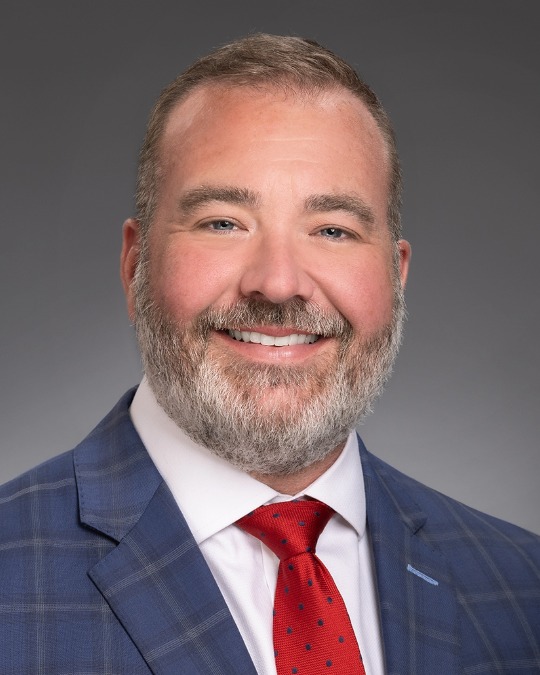
Stephen Goldfinch (R)
Campaign Website: www.GoldfinchforAG.com
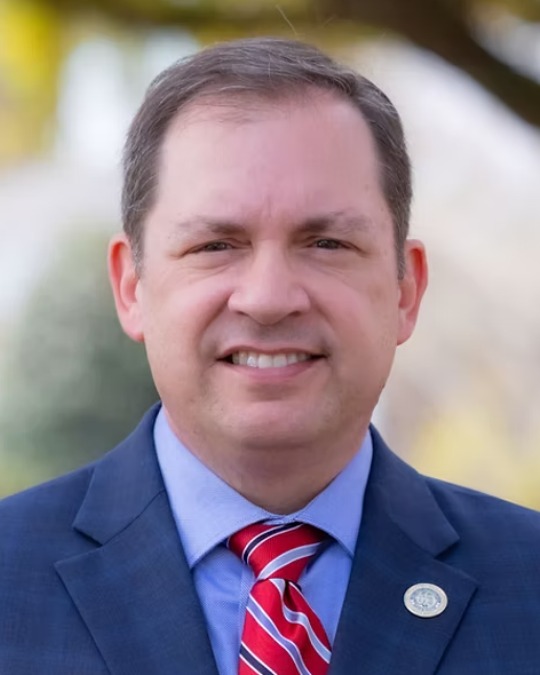
David Pascoe (R)
Campaign Website: www.PascoeforSCAG.com
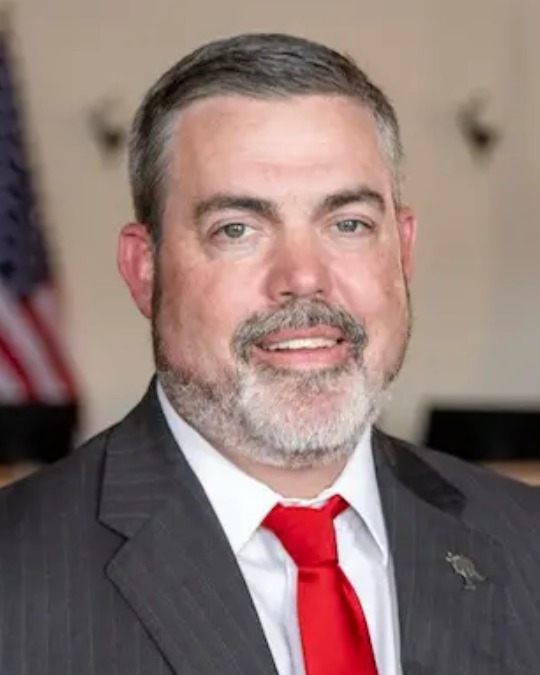
David Stumbo (R)
Campaign Website: www.votestumbo.com

Richard Hricik (D)
Campaign Website: www.hricikforattorneygeneral.com
Democratic primary election
The Democratic primary election was canceled. Richard Hricik advanced from the Democratic primary for Attorney General of South Carolina.
HALO Protections
Law enforcement officers frequently face interference while performing official duties. SCFOP
supports legislation establishing HALO protections that create a defined safety perimeter around
officers actively engaged in their duties in order to reduce interference and improve officer and
public safety.
Please describe your position on HALO protections. If elected, what actions would you take to
support or advance legislation establishing a safety perimeter around officers performing official
duties? If enacted, how would your office approach defending its constitutionality and advising
prosecutors and agencies regarding consistent enforcement?
Stephen Goldfinch
“In my capacity as a Senator, I have already supported and voted for the HALO Act. So yes, as Attorney General I would aboslutely support and defend the HALO ACT if it was ever challenged in court.”
David Pascoe
“I support legislation establishing reasonable HALO protections that create a clearly defined safety perimeter around law enforcement officers actively engaged in their duties. Officers routinely operate in dynamic and potentially dangerous environments and maintaining a safe working space is essential to protect both officers and the public.
At the same time, any such legislation must be carefully drafted to ensure consistency with the First Amendment, including the public’s right to observe and record police activity from a safe distance. Clear statutory definitions such as specific distance parameters and intent requirements are critical to avoid ambiguity and ensure fair enforcement. I would assist the legislature in making sure the law will pass judicial scrutiny. Too often, I have seen legislation pass that does not survive judicial scrutiny and years go by without getting better legislation passed, if it is passed at all. I will do everything I can as Attorney General to ensure this does not happen.
If elected, I would support and work with legislators to advance HALO legislation that is narrowly tailored, constitutionally sound, and practical for officers on the ground. If enacted, my office would defend its constitutionality by emphasizing its content-neutral focus on safety and would issue guidance to prosecutors and agencies to promote consistent, even-handed enforcement statewide.”
David Stumbo
“I will gladly testify to experiences and cases where a HALO would have protected officers carrying out their duties. I will use the bully pulpit of the Attorney General’s Office to help ensure this gets passed. I commit to investigating, charging, and prosecuting violators of this law after it is enacted. I further commit to fighting any constitutional challenges to the law to the greatest extent possible.”
Protection of Law Enforcement K-9s
Law enforcement K-9s are critical public safety assets and serve alongside officers in high-risk
situations. SCFOP supports legislation increasing felony penalties for individuals who
intentionally harm or kill a law enforcement K-9.
Please describe your position on increasing felony penalties for crimes committed against law
enforcement K-9s. If elected, what actions would you take to support or advance this legislation
and promote consistent prosecution across South Carolina?
Stephen Goldfinch
“As a veteran that interacted with miliitary dogs, I fully appreciate the importance of the LE K9s and absoutely support increasing the penalties for individuals who intentionally harm or kill a LE K9. As AG, if such a law was ever challenged I would defend it to the highest court of the land.”
David Pascoe
“I strongly support increasing felony penalties for individuals who intentionally harm or kill law enforcement K-9s. These animals are highly trained public safety assets that routinely assist in dangerous operations, including suspect apprehension and detection of narcotics and explosives. They do not just save law enforcement officers’ lives; I’ve witnessed many cases in my own circuit where these K-9s save the lives of suspects. I have reviewed countless videos where the officer had every right to discharge his service weapon at an armed suspect but did not because he had the aid of a K-9 to apprehend the subject.
Criminal acts against K-9s often occur during violent resistance to law enforcement and should be treated accordingly. Strengthening penalties sends a clear message that such conduct will not be tolerated.
If elected, I would advocate for legislation that enhances penalties while ensuring clarity regarding intent and proportionality. I have gone on record stating that I will hold press conferences outside of legislators’ office who do not support such legislation. I would also work to promote consistent prosecution across South Carolina by providing guidance and training to prosecutors, so these cases are handled uniformly and appropriately.”
David Stumbo
“I have testified three times in both House and Senate committees on the pending bill that would raise the penalty from 5 to 10 years. I personally prosecuted the man in Newberry County who killed SLED K-9 Officer Kobe, so this issue is very important to me. I will encourage all of our prosecution agencies across the state to vigorously prosecute those who kill our K-9 officers.”
Law Enforcement Officers’ Bill of Rights
Law enforcement officers deserve clear statutory protections ensuring fairness during internal
investigations and disciplinary proceedings. SCFOP supports establishing a Law Enforcement
Officers’ Bill of Rights.
Please describe your position on establishing a Law Enforcement Officers’ Bill of Rights in
South Carolina. If elected, what role should the Attorney General play in supporting legislation
that provides meaningful due process protections for officers while preserving public
confidence?
Stephen Goldfinch
“We must Back the Blue, and as AG, I would put the full force of the AG’s office behind an effort to loby for a Law Enforcment BIll of Rights. Having served in the House and Senate myself, I have fantastic contacts there and the ability to be an effective advocate for some of our most valued citizens, the Law Enforcement Officer. In addition, if such legislation was ever challenged, you would have the total support and backing of the AG’s office to fight to defend this law all the way to the Supreme Court.”
David Pascoe
“I support establishing a Law Enforcement Officers’ Bill of Rights to ensure that officers are afforded clear and consistent due process protections during internal investigations and disciplinary proceedings. Victims and defendants have constitutional rights, so should the blue line that literally puts its life on the line to protect others every day. In my 33 years as a prosecutor I have prosecuted countless cases where law enforcement officers have been shot or shot at, and I have even sent a cop killer to the firing squad. I understand the great importance of supporting the men and women of law enforcement.
Law enforcement officers make difficult decisions under pressure and deserve procedural fairness, including timely notice of allegations, the opportunity to respond, and access to representation. These protections are not about shielding misconduct, but about ensuring that investigations are conducted fairly and professionally.
As Attorney General, I would support legislation that provides meaningful due process protections while also preserving transparency and maintaining public confidence. Striking this balance is essential to both officer morale and community trust.”
David Stumbo
“Although I would like to review the proposed legislation, I would support a Law Enforcement Bill of Rights in our state. Much like the Crime Victims’ Bill of Rights, this effort would increase protections and help boost the morale of our courageous law enforcement officers.”
Brady/Giglio Standardization, Due Process, and Appeals
Brady/Giglio-related credibility determinations can have permanent career consequences for
officers and can vary across jurisdictions. SCFOP supports statewide standardization, clear due
process, and an avenue for review or appeal when an officer is identified for credibility-related
disclosures.
If elected, would you support establishing uniform statewide standards governing
Brady/Giglio-related determinations involving law enforcement officers, including notice, an
opportunity to respond, and a defined review or appeal process? Please describe how you
would approach this issue to ensure fairness and consistency while maintaining constitutional
disclosure obligations.
Stephen Goldfinch
“When a prosecutor makes a Brady/Giglio determination, it can have lasting impacts on an officer’s careeer. Oftentimes, these problems are the results of minor misconduct, or in some rare cases, even personality differences between law enforcement agencies and prosecutors. Law Enforcement deserve the benefit of the doubt and we must provide them, at a minium with due process in the system. A state wide standard consisting of an investigation, a determination, an appeal; which are all carried out by objective investigators from different jurisdictions could provide the necessary fairness officers deserve. I would be honored to help facilitate such a standard among prosecutors offices, and if need be, to go over the prosecutors to the General Assembly to ensure the fairness our Officers deserve.”
David Pascoe
“I support the establishment of uniform statewide standards governing credibility determinations under Brady v. Maryland and Giglio v. United States. These determinations can have significant and lasting impacts on an officer’s career, yet current practices vary widely across jurisdictions.
Officers should be afforded basic due process, including notice of the allegation, an opportunity to respond, and a defined mechanism for review or appeal. At the same time, prosecutors must continue to meet their constitutional obligations to disclose material, exculpatory, or impeachment evidence.
My approach would ensure fairness and consistency for officers while fully upholding constitutional requirements. Clear, standardized procedures benefit not only officers, but also prosecutors, courts, and the integrity of the justice system as a whole.”
David Stumbo
“At a minimum, I would like to see guidelines for Giglio issues developed and approved by the Law Enforcement Training Council and the Prosecution Commission. Currently, there are no established guidelines. The Attorney General is in a unique position to coordinate these efforts.”
Officer-Involved Use of Force Investigations and Case Handling
Attorney General involvement in officer-involved use-of-force matters can significantly impact
public confidence and officer morale statewide. Clear investigative procedures and consistent
decision-making reduce uncertainty for officers, agencies, and the public.
As Attorney General, what role should your office play in establishing or supporting a
standardized statewide process for investigating officer-involved shootings? In your view, when
should SLED lead these investigations, and under what circumstances, if any, should the
Attorney General assume jurisdiction from a local solicitor to ensure objectivity and reduce
public pressure?
Stephen Goldfinch
“The AG should establish a tribunal, consisiting of 3 solicitors from areas where the shooting did not occur. The names of those particpating in the tribunal should remain anonomous and those solictors should vote on whether it was a good shoot or not. Anything less than unanimous should be resolved in the favor of the officer. If the tribunal unanimously decides it was a bad shoot, the AG’s office shall then have jurisdiction over the case. SLED, whenever practical should maintain jurisdiction over officer involved shootings.”
David Pascoe
“I support the development of a standardized, transparent process for investigating officer-involved use-of-force incidents, particularly those involving serious injury or death.
Consistency in these investigations is essential to maintaining public confidence and ensuring fairness to the officers involved.
In many cases, the South Carolina Law Enforcement Division is well-positioned to lead independent investigations, especially where objectivity is critical. Independent review helps reduce perceptions of bias and protects the integrity of the process.
As Attorney General, I believe my office should play a role in providing guidance and ensuring consistency statewide. In some circumstances, such as conflicts of interest or extraordinary public concern, it may be appropriate for the Attorney General to assume jurisdiction to ensure impartiality and public trust. This would include the assumption of prosecution and investigation of all use of force cases involving death.”
David Stumbo
“Each circuit solicitor should have an officer-involved shooting protocol (many already do). Ideally, the Attorney General should work closely with the Prosecution Commission to streamline these protocols statewide across all 16 circuits. As someone who has been in the trenches as an elected solicitor and has reviewed dozens of officer-involved shootings, I would be ready on day one to help coordinate these efforts. As Attorney General, I would also be glad to assume review of any case in which the solicitor is conflicted or feels uncomfortable conducting the prosecutorial review.”
Qualified Immunity and Civil Liability
Law enforcement officers increasingly face civil litigation arising from actions taken in the course
of their official duties. Legal uncertainty can impact recruitment, retention, and operational
decision-making.
Please describe your position on qualified immunity and other legal protections that limit
unwarranted civil liability for officers. If elected, what actions would you take to defend or
support those protections in litigation and legal proceedings affecting law enforcement officers in
South Carolina?
Stephen Goldfinch
“As AG I would take every action possible to protect qualified immunity from Federal claims and to protect soverign immunity in South Carolina claims. Without these important protections, officers cannot adequately do their jobs, and it’s likely to impact their safefty and the safety of those other officers around them.”
David Pascoe
“I strongly support qualified immunity as an essential legal protection for law enforcement officers performing their duties in good faith. This is a line in the sand for which I will utilize every power at my disposal to ensure it is never crossed. Officers must be able to make split-second decisions in high-risk situations without the constant fear of unwarranted civil liability. It is impossible for law enforcement to do their job without it.
Qualified immunity, as recognized in cases such as Harlow v. Fitzgerald, protects officers from liability when their conduct does not violate clearly established law. It does not shield unlawful behavior but rather ensures that officers are not penalized for reasonable actions taken under difficult circumstances. Unfortunately, those attacking our qualified immunity law misrepresent it to the public and I will make it my duty to set the record straight every time misstatements are made by groups attacking law enforcement immunity.
If elected, I would vigorously defend qualified immunity and related legal protections in litigation. At the same time, I support clear legal standards that provide guidance to officers and accountability when misconduct occurs.”
David Stumbo
“As Attorney General, I would fully support and continue to defend qualified immunity for officers acting within the scope of their duties.”
Ongoing Consultation with Law Enforcement Leadership
Effective public safety policy requires ongoing consultation with law enforcement professionals.
SCFOP values constructive engagement between elected officials and the officers who serve
communities across South Carolina.
If elected, how would you ensure regular consultation with the South Carolina Fraternal Order of
Police regarding issues affecting officer protections, due process rights, and public safety?
Stephen Goldfinch
“Effective engagment requires mutual respect and working relationships. I have been blessed with great working relationships with Sheriffs, Prosecutors, SLED and The General Assembly. I can be an effective advocate for advancing FOP initiatives in South Carolina and ensure we continue to Back the Blue long into the future.”
David Pascoe
“I am committed to maintaining regular and meaningful consultation with law enforcement professionals, including organizations such as the South Carolina Fraternal Order of Police.
If elected, I would establish structured, ongoing communication to include advisory groups, regular meetings, and policy consultations to ensure that the perspectives of frontline officers are considered in the development of public safety policy.
At the same time, I believe it is important to engage a broad range of stakeholders to ensure policies are balanced, effective, and reflective of the communities they serve. Open dialogue strengthens both law enforcement and public trust.
Finally, I have legislative priorities for law enforcement for which I would like consultation and approval from the Fraternal Order of Police. I believe we must work on a solution to keep good officers on the job. Too many are retiring at 50 years old (and even younger) because it is not financially feasible for them to stay in law enforcement. I want to push for legislation that allows law enforcement officers the same rights in retirement that judges, solicitors, and public defenders get. Once the officer maxes out on their years of retirement service, they should be able to stay on the job and have their retirement placed in the state’s deferred retirement plan with PEBA, which they will be able to withdraw at 60 years old. Again, I am not reinventing the wheel. This is what others in the retirement system receive, and this will allow us to keep good and much needed law enforcement officers on the job.”
David Stumbo
“I would make sure FOP board members and leaders across the state have my personal cell phone number so they can consult with me on these matters.”
Responses are published as submitted by each campaign and have not been edited by the South Carolina Fraternal Order of Police except for formatting consistency.