
South Carolina’s law enforcement history stretches across centuries of public service, shaped by local authority, municipal policing, and evolving professional standards. Within that history are officers and leaders whose service marked turning points in access, responsibility, and leadership. Their careers unfolded in sheriff’s offices, city departments, and command staff roles, carrying the same authority and obligation as any officer entrusted with public safety.
Black History Month provides space to document those careers with clarity and respect, placing names, dates, and service where they belong in the historical record of South Carolina law enforcement.
Early County Leadership During Reconstruction
In the years following the Civil War, South Carolina experienced a brief period in which Black public officials held elected office at the county level. Among them were sheriffs, a role that has long served as the central law enforcement authority in many parts of the state.
Thomas C. Cox was elected sheriff of Darlington County in 1868 and served two terms through 1876. His election placed him at the center of county law enforcement responsibilities, including court security, civil process, and oversight of deputies. Cox’s public service extended beyond law enforcement into education and civic leadership, reflecting the broader responsibilities often carried by local officials during that era.
Cox’s tenure stands as an early example of Black leadership in South Carolina law enforcement, rooted in elected authority and local trust.
Charleston and a Name Restored to the Record
Charleston’s policing history includes one of the earliest documented examples of Black municipal law enforcement service in the state, along with a loss that went unrecognized for generations.
Thomas J. Martin served as a police officer in Charleston during the Reconstruction period. In July 1870, he was killed in the line of duty while responding to a disturbance on King Street. His death occurred in the course of enforcing the law and restoring order, carrying the same risks associated with policing in any era.
For decades, Martin’s service was largely absent from formal recognition. Through historical research and memorial review, his name was restored and acknowledged as part of Charleston’s law enforcement history. That restoration corrected the record and placed his service alongside others who died performing their duty.
Martin’s inclusion in South Carolina’s law enforcement memorial history reflects the importance of accuracy and completeness in preserving the profession’s legacy.
Patrol Work in the Mid-Twentieth Century
As municipal policing expanded across South Carolina in the twentieth century, access to patrol assignments developed unevenly from city to city. Spartanburg provides one of the clearest documented examples of early integration at the patrol level.
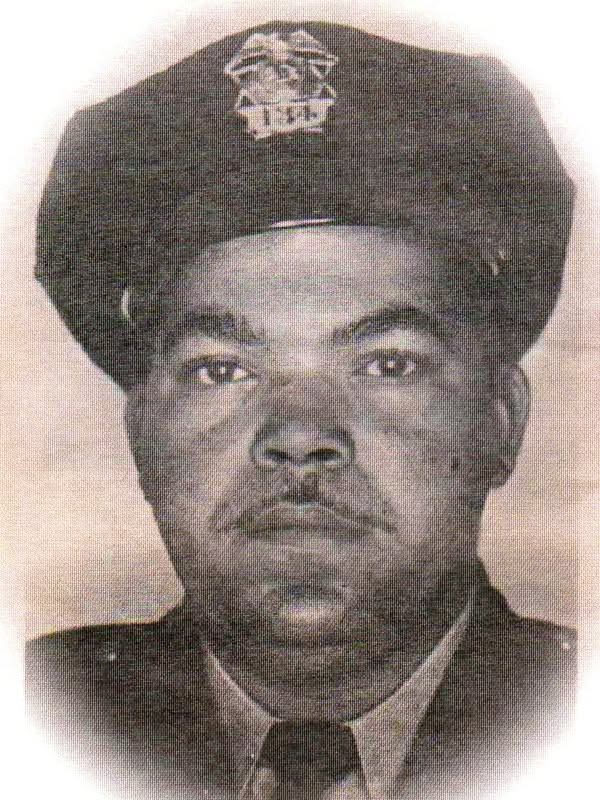
Thomas Curtis “Fox” Abrams joined the Spartanburg Police Department on June 1, 1950, and is recognized as the department’s first Black patrolman. A United States Navy veteran, Abrams entered the profession during a period when patrol work required constant visibility, direct engagement with the public, and full enforcement authority.
Abrams served approximately eleven years with the department. On January 7, 1962, he was killed in the line of duty while responding to a disturbance. His name is engraved on the South Carolina Law Enforcement Memorial, marking his service and sacrifice as part of the state’s permanent law enforcement record.
Spartanburg’s history from this period also includes Officer Francis Dogan, who joined the department later in 1950. Together, these officers represent a small group of Black patrolmen carrying full police authority at a time when entry into the profession remained limited.
Abrams is also remembered for his role in helping establish early organizational efforts that led to the formation of the South Carolina Black Police Officers Association. Those efforts provided connection, professional support, and shared experience for officers navigating the profession during a period of transition.
Department Formation and First Appointments
Some South Carolina law enforcement milestones occurred well into the late twentieth century, particularly in newer municipalities.
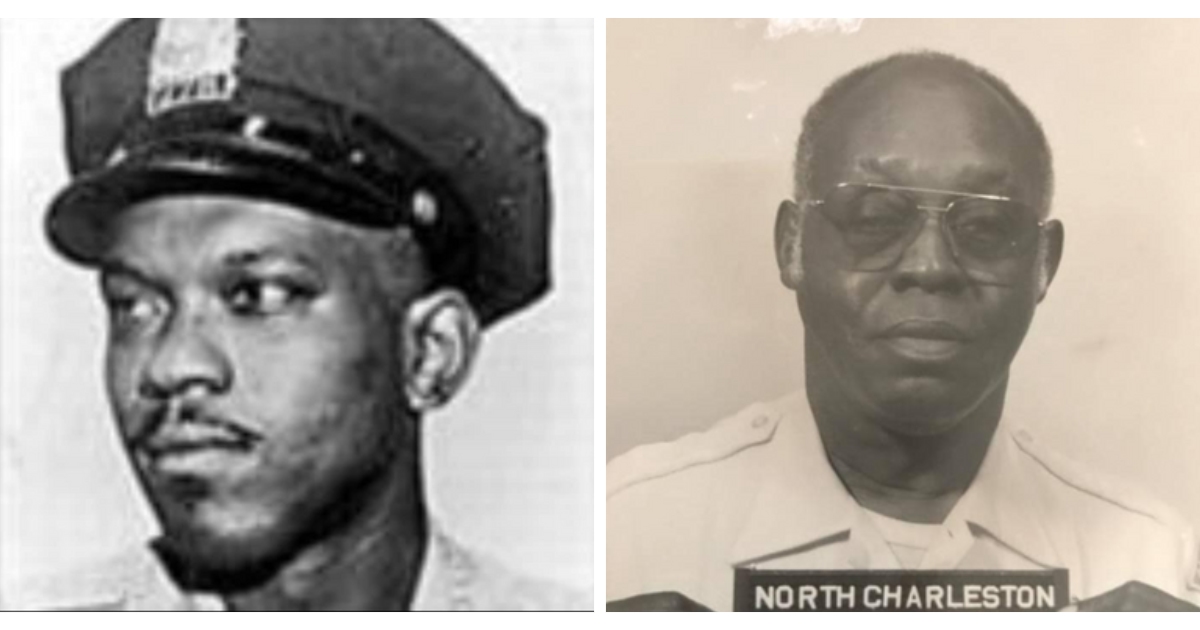
When the North Charleston Police Department was formed in 1978, Frank Noble and Harry B. Smith became the department’s first Black police officers. Their service began on the agency’s first day of operation and contributed to the establishment of standards, culture, and expectations within a growing city.
Executive Leadership in South Carolina Policing
Leadership milestones within South Carolina law enforcement also emerged at the executive level, particularly in major cities where policing carries complex operational demands.
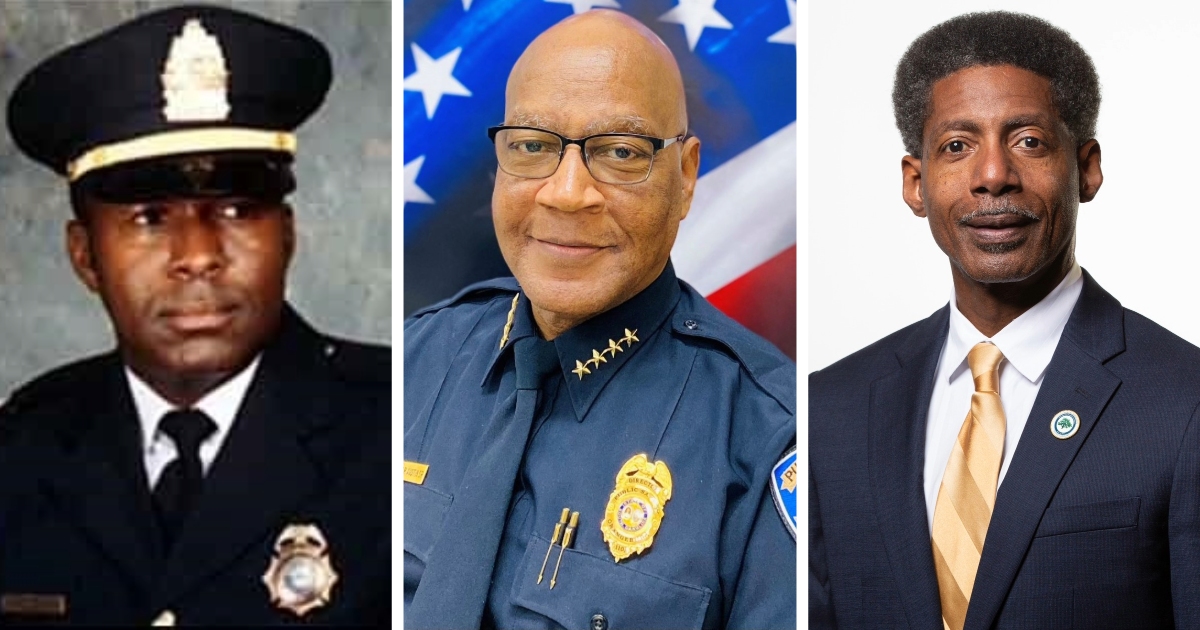
Reuben Morris Greenberg was appointed chief of the Charleston Police Department in 1982. He served for more than two decades, overseeing organizational change, professional development, and department growth in one of South Carolina’s most historically prominent cities.
In Columbia, Charles P. Austin Sr. became the city’s first Black chief of police. His leadership marked an important chapter for law enforcement in the state capital, where municipal policing intersects with state government and a diverse urban population.
North Charleston later reached a similar milestone with Reginald Burgess, who served as the city’s first Black police chief before retiring from law enforcement and being elected Mayor of North Charleston. His career reflects a progression from command leadership within a police department to executive leadership at the municipal level.
A Continuous Record of Duty
The officers and leaders recognized during Black History Month served South Carolina communities as sheriffs, patrol officers, and chiefs. They enforced the law, supervised agencies, answered calls for service, and accepted the authority and responsibility that come with the badge.
South Carolina’s law enforcement history is made up of individual careers carried out in real places, under real authority, and often under difficult conditions. From county courthouses to city streets, these officers shaped agencies and communities through service rather than symbolism. Their work stands as part of the profession’s history, written in uniform and sustained by duty.